Herbs for Postpartum Healing
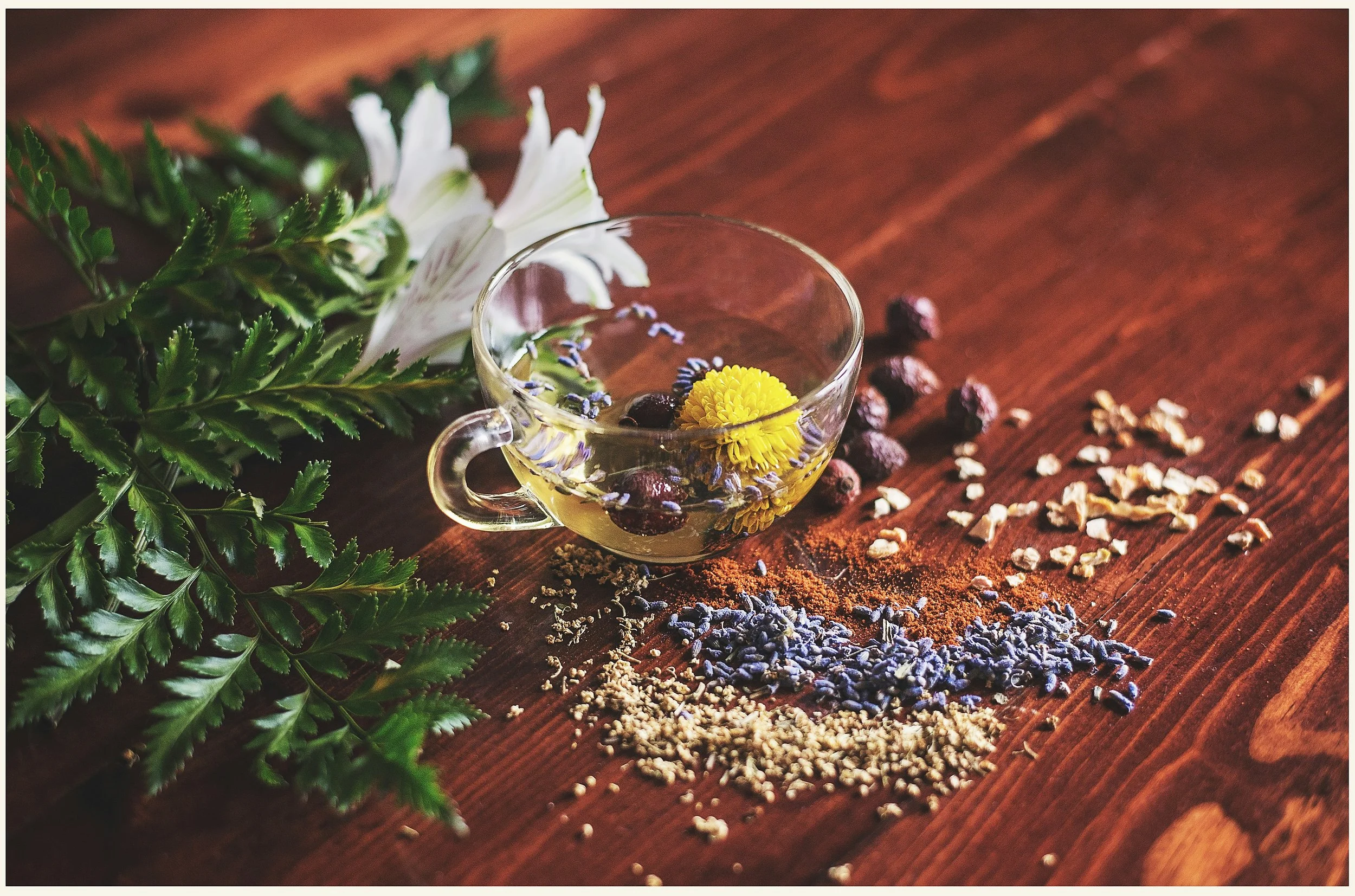
Herbs are powerful allies during the postpartum period. They can support physical recovery by promoting tissue healing and reducing inflammation, balance emotions, and connect us to ritual and earth (two things that are often overlooked but so nourishing to our body, mind, and soul). Like the foods we eat, herbal remedies can help lay the foundation for optimal healing and recovery. Our bodies innately understand how to digest and use herbs to help us repair, sustain energy, and feel grounded.
There are a few herbs that are particularly potent during postpartum. Below, we share some of these herbs and simple ways to incorporate them into your postpartum life. All are gentle, safe to use while chest/breastfeeding, and generally well-tolerated. However, it is best to consult a healthcare professional before use if you are taking medications or have blood pressure issues. Whether you use herbs regularly or have never used herbs before, there’s something here for you!
7 Dynamic Herbs for Whole-Body Postpartum Support
Red Raspberry Leaf
You may have taken red raspberry leaf tea during pregnancy. Red raspberry leaf helps to prepare the body for childbirth by toning the uterus. In postpartum, red raspberry leaf is also an ally to the uterus and other systems. It supports uterine healing, tones uterine muscles, and reduces bleeding by helping the uterus contract back to its normal size. Because it’s rich in nutrients like magnesium and iron, it also aids in general recovery, supports lactation, and regulates hormones. Red raspberry leaf is best consumed in tea form.
Nettle
Nettle leaf (or stinging nettle) is considered nature’s multivitamin. It is rich in so many nutrients that support postpartum recovery, like iron, calcium, magnesium, and vitamins A, C, and K. It acts as a nourishing tonic, reducing inflammation, boosting energy, supporting recovery from blood loss, and supporting lactation. It is commonly consumed as a regular tea; for maximum benefit, you can make a strong infusion by steeping the herbs for 4+ hours.
Oatstraw
Oatstraw is another highly nutritious herb. It’s rich in iron, magnesium, calcium, and B vitamins and helps rebuild nutrient deficiencies and balance hormones during the postpartum period. It’s also a calming herb that supports the nervous system. It’s great for early postpartum when the nervous system can feel fried from lack of sleep and new stressors. Oatstraw helps to relieve stress, anxiety, and exhaustion and promotes relaxation and a sense of calm. Sipping on oatstraw tea throughout the day is an excellent way to ease the nervous system. You can add oatstraw to your nettle tea or infusion or take it in tincture form.
Lemon Balm
Like oatstraw, lemon balm is a nervine that helps to calm the nervous system, reduce anxiety, ease emotional stress, and improve sleep and relaxation. It can also help to alleviate postpartum after-pains caused by the uterus shrinking to its normal size, balance mood swings, and support healthy digestion. Some evidence also suggests that lemon balm can help increase milk volume. It can be consumed as tea or as a tincture.
Lavender
Lavender is a highly beneficial aid for emotional and physical wellbeing in postpartum. It’s used to reduce stress, anxiety, and fatigue while improving sleep quality. It’s also anti-inflammatory, antibacterial, and antispasmodic, supporting physical healing. There are a number of ways to use lavender. Aromatherapy with lavender oil or in baths can promote relaxation, aid in healing, and reduce perineal discomfort following childbirth. Spritzing a lavender spray on your pillow or using a roller ball on your wrists or temples enhances sleep quality. You can also add lavender to tea or take it in tincture form.
Rose
Rose is a versatile, nourishing, and emotionally grounding herb for the postpartum period. It’s used to lift the mood, soothe anxiety, and heal physical tissues. Rose is energetically and emotionally connected to the heart so is a good companion as you're getting your footing in early postpartum. It can be used as a tea, in aromatherapy, or in sitz baths to support uterine health, reduce inflammation, and promote relaxation.
Calendula
Calendula, a bright yellow/orange flower that glows like the sun, is a highly regarded herb for postpartum care. It’s anti-inflammatory, antimicrobial, and tissue repairing. It can be used topically in peri-sprays, sitz baths, and salves to heal perineal soreness and tears, episiotomies, and cesarean incisions. Calendula-infused balm can also help with cracked or sore nipples to promote healing between feedings and is a powerful healing helper for infants and toddlers too. It can be used to heal diaper rashes, skin irritations, and boo-boos. Dried or fresh calendula flowers can also be added to teas to calm an upset stomach or boost the immune system.
Where to Get Herbs and Herbal Products
When purchasing herbs and herbal products, it’s best to get them from local sources and prioritize organic, if possible. For teas, you can purchase tea bags from local grocers (like Yes! Organic Market or MOM’S Organic Market in the Washington DC area) or purchase loose herbs from local grocers (like MOM’S Organic Market) or local herbal shops and growers (like Smile Herb Shop or Little Red Bird Botanicals). Local grocers, herbal shops, and growers also carry salves and tinctures.
If you purchase herbs or herbal products online, it’s best to purchase from reputable sources. You can purchase herbs and herbal products online locally from Smile Herb Shop. Other quality online options include Mountain Rose Herb, HerbCo, and Lancaster Farmacy.
If you have a garden or outdoor space (even a balcony), you can even grow your own herbs!